
The Work-From-Home Effect on Malaysian Rental Demand
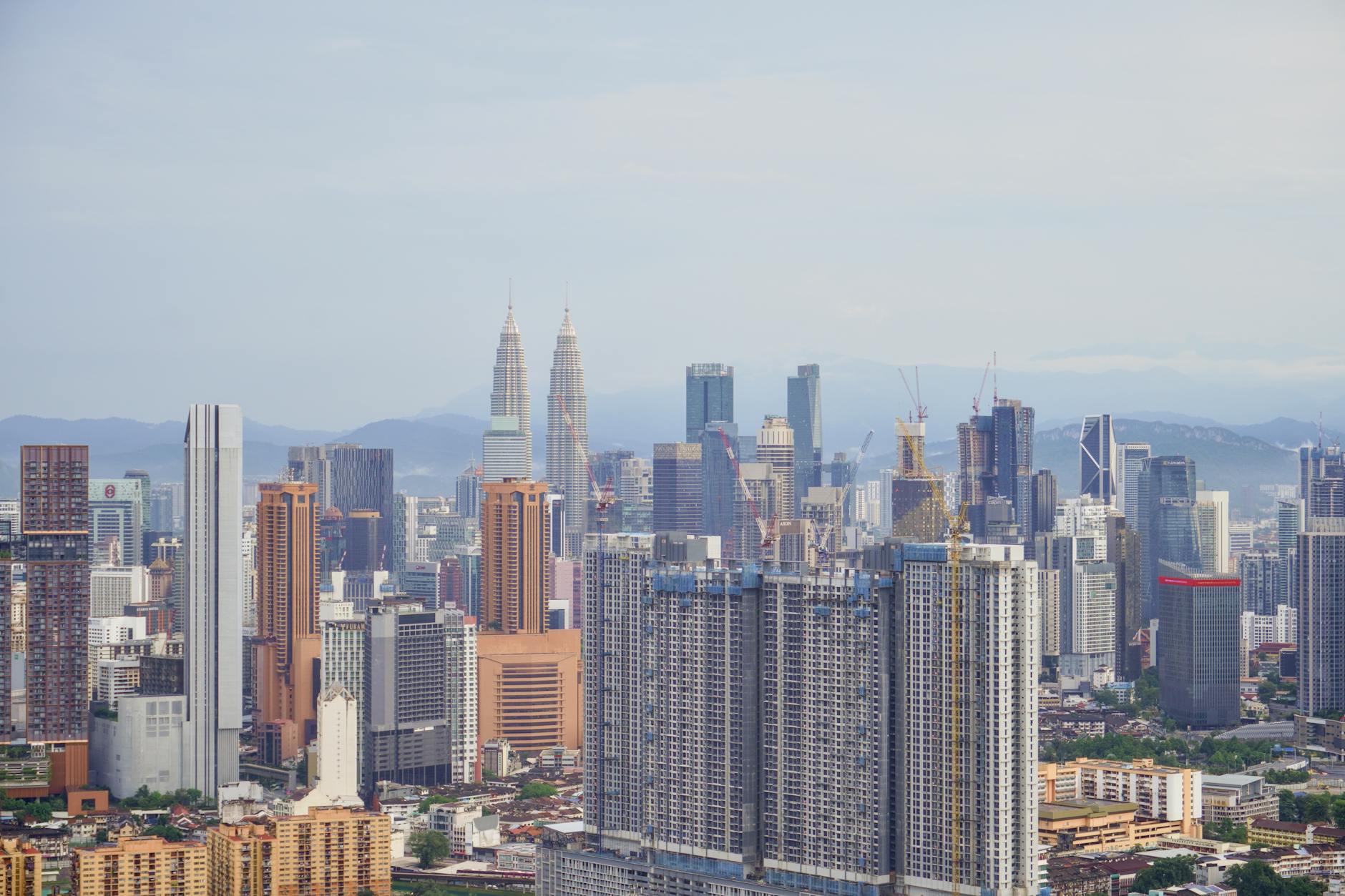
The Work-From-Home Effect on Malaysian Rental Demand
The shift to remote and hybrid work has reshaped where Malaysians want to live, and by extension, which rental properties are in demand and which are losing tenants. According to a 2025 survey by the Malaysian Employers Federation (MEF), 62% of Malaysian companies now offer some form of hybrid work arrangement, up from 24% in 2020. This structural change is moving rental demand away from expensive city-centre apartments and toward larger suburban homes with dedicated workspace. For landlords and property investors, understanding this shift is the difference between a property that stays occupied and one that sits vacant.
What Changed: The Data
The pandemic forced Malaysian offices to experiment with remote work. What started as a temporary measure has become permanent policy for the majority of knowledge-economy employers.
Key data points from the MEF 2025 National Work Arrangement Survey (conducted across 1,247 Malaysian companies):
- 62% of companies offer hybrid work (2-3 days office, 2-3 days home)
- 11% of companies are fully remote
- 27% of companies require full-time office attendance
- Among companies offering hybrid/remote options, 78% report no plans to return to full-time office work
The impact on housing is measurable. NAPIC (National Property Information Centre) data from 2025 shows that residential rental transactions in KL city centre (KLCC, Bukit Bintang, KL Sentral) declined 14% from 2022 to 2025, while rental transactions in suburban corridors (Shah Alam, Setia Alam, Bangi, Rawang) increased 22% over the same period.
How Work-From-Home Changes Rental Preferences
Space Beats Location
When you work from home 2-3 days per week, your apartment is no longer just where you sleep. It is also your office. A 650 sq ft studio in KLCC that was perfect for a commuter becomes cramped for someone who works from their dining table 3 days a week.
The 2025 iProperty.com.my Rental Demand Survey found that "extra room for home office" overtook "proximity to LRT/MRT" as the number one factor for rental seekers for the first time. Specifically:
- 47% of respondents prioritised an extra room or dedicated workspace
- 38% prioritised proximity to public transport
- 31% prioritised building amenities (gym, pool)
For landlords, this means larger units (3-bedroom) in suburban locations now compete directly with smaller units (studio, 1-bedroom) in prime locations. A 3-bedroom apartment in Shah Alam at RM1,500/month attracts the same tenant pool that previously rented a studio in KL Sentral for RM1,800/month.
Internet Quality is Now a Dealbreaker
A slow or unreliable internet connection is no longer an inconvenience for a remote worker. It is a threat to their employment. Properties in areas with fibre internet coverage (Unifi, Maxis Fibre, Time) command a rental premium over those relying on copper or fixed wireless.
The TM (Telekom Malaysia) 2025 coverage report shows that 89% of urban Malaysian residential areas now have fibre coverage, but coverage in suburban developments less than 5 years old may still be limited. Landlords in these areas should verify fibre availability before marketing to remote workers.
If your property has fibre internet, state the provider and speed in your listing. "Unifi 500Mbps available" is a selling point that directly addresses a remote worker's primary concern.
The Hybrid Commute Radius
Hybrid workers still commute 2-3 days per week. But their tolerance for commute distance has expanded. A worker who previously needed to live within 30 minutes of the office to manage a daily commute now accepts 45-60 minutes because they only make the trip 2-3 times per week.
This expanded commute radius opens up suburban and satellite city rental markets that were previously too far from employment centres. Areas like Cyberjaya, Bangi, Setia Alam, Bukit Jelutong, and Rawang benefit directly. Properties in these areas offer more space per ringgit, which is exactly what hybrid workers want.
Winners and Losers in the Rental Market
Properties Gaining Demand
- 3-bedroom apartments in suburbia: The sweet spot for hybrid workers. One bedroom for sleeping, one for a home office, one for a partner or storage.
- Landed properties near highways: Terrace houses in areas like Bangi, Setia Alam, and Bukit Tinggi offer space and affordability. Highway proximity matters for the 2-3 weekly commutes.
- Units with a balcony or outdoor space: After working from home all day, outdoor space becomes a mental health necessity, not a luxury.
- Properties in areas with co-working spaces: Some hybrid workers prefer not to work from home every day but also do not want to commute to the office. Proximity to a co-working space (Common Ground, Colony, WORQ) adds value.
Properties Losing Demand
- Studios and small 1-bedrooms in KLCC and Bukit Bintang: Expensive, small, and less relevant when you do not need to be in the city centre every day.
- Properties with poor internet infrastructure: Units in older buildings without fibre coverage lose to newer developments with guaranteed high-speed internet.
- High-floor units without balconies in dense towers: The premium for height and views has declined relative to the premium for space and light.
What Landlords Should Do
If You Own in a Suburban Growth Area
Your property is in the right market. Maximise its appeal to hybrid workers:
- Ensure fibre internet is connected and mention it in every listing
- If you have a spare room, stage it as a home office (desk, good lighting, power points)
- Highlight proximity to major highways and commute times to key business districts
- List on platforms frequented by young professionals: iProperty.com.my, PropertyGuru, and Facebook rental groups
If You Own in KL City Centre
Your property faces headwinds but is not doomed. Reposition:
- Target expatriates and digital nomads (who prefer city-centre locations for lifestyle)
- Target single professionals in industries that require full-time office attendance (banking, legal, hospitality)
- Consider short-stay rental (Airbnb) if your building management allows it
- Price competitively. The rental premium for city-centre has compressed; holding out for 2019 rental rates will keep your unit vacant
For All Landlords
Screen tenants thoroughly regardless of location. A hybrid worker earning RM6,000/month is a stable tenant if their employment is verified. EzLease's tenant verification service checks employment status, income documentation, and rental history, helping landlords confirm that a prospective tenant can sustain the rent throughout the tenancy.
The Long-Term Outlook
Remote and hybrid work is not reverting. The MEF survey found that 78% of companies offering flexible arrangements have no plans to mandate full-time office return. Major Malaysian employers including Petronas, Maybank, CIMB, and TM have formalised hybrid policies.
Regionally, Malaysia's DE Rantau digital nomad programme and the broader Southeast Asian trend toward remote work further reinforce this direction. MDEC projects that Malaysia will host over 10,000 digital nomads by 2027, adding to suburban rental demand.
The structural trend favours: more space, better internet, suburban locations, and properties that accommodate both living and working. Landlords who adapt their properties and marketing to this reality will maintain occupancy. Those marketing a 500 sq ft studio with no fibre internet at 2019 prices will struggle.
Frequently Asked Questions
Are city-centre rental prices falling in Malaysia?
City-centre rental prices have softened but not collapsed. NAPIC data shows a 6-9% decline in average asking rents for studio and 1-bedroom units in KLCC and Bukit Bintang from 2022 to 2025. Larger units (2-3 bedroom) in the same areas have held steady because they offer the space that hybrid workers need. The shift is more about demand redistribution than a market crash.
What internet speed do remote workers need?
A minimum of 100Mbps is expected by most remote workers. Video conferencing (Zoom, Google Meet, Microsoft Teams) requires 10-20Mbps per concurrent user, and most remote workers need additional bandwidth for cloud applications, file transfers, and personal use. Fibre connections of 300-500Mbps are the current standard for home offices.
Should I convert a bedroom into a home office to attract tenants?
Do not permanently convert it. Instead, furnish one bedroom with a desk, ergonomic chair, and good lighting. This allows the tenant to use it as an office or bedroom depending on their needs. A furnished home office is a powerful listing photo that speaks directly to hybrid workers.
Is suburban rental yield better than city-centre yield now?
In many cases, yes. A 3-bedroom apartment in Setia Alam purchased at RM300,000 and rented at RM1,400/month yields 5.6% gross. A studio in KLCC purchased at RM500,000 and rented at RM1,800/month yields 4.3% gross. The suburban property delivers a higher percentage yield on a lower capital investment.
How long will the work-from-home trend last?
Multiple indicators suggest permanence. The MEF survey shows 78% of companies have no plans to reverse hybrid policies. Global trends confirm the same direction. McKinsey's 2025 Global Work Report found that hybrid work has stabilised globally, with no significant reversion trend in any major economy. For rental market planning, treat hybrid work as a permanent structural change.
Key Takeaways
- 62% of Malaysian companies now offer hybrid work (MEF 2025), permanently shifting where tenants want to live.
- KL city-centre rental transactions declined 14% from 2022-2025, while suburban corridor transactions rose 22% (NAPIC data).
- "Extra room for home office" is now the top rental priority, overtaking "proximity to public transport" for the first time (iProperty 2025 survey).
- Fibre internet availability is a dealbreaker for remote workers. Properties without fibre face a growing disadvantage.
- Suburban 3-bedroom apartments now compete directly with city-centre studios for the same tenant pool, often at higher yields and lower capital cost.